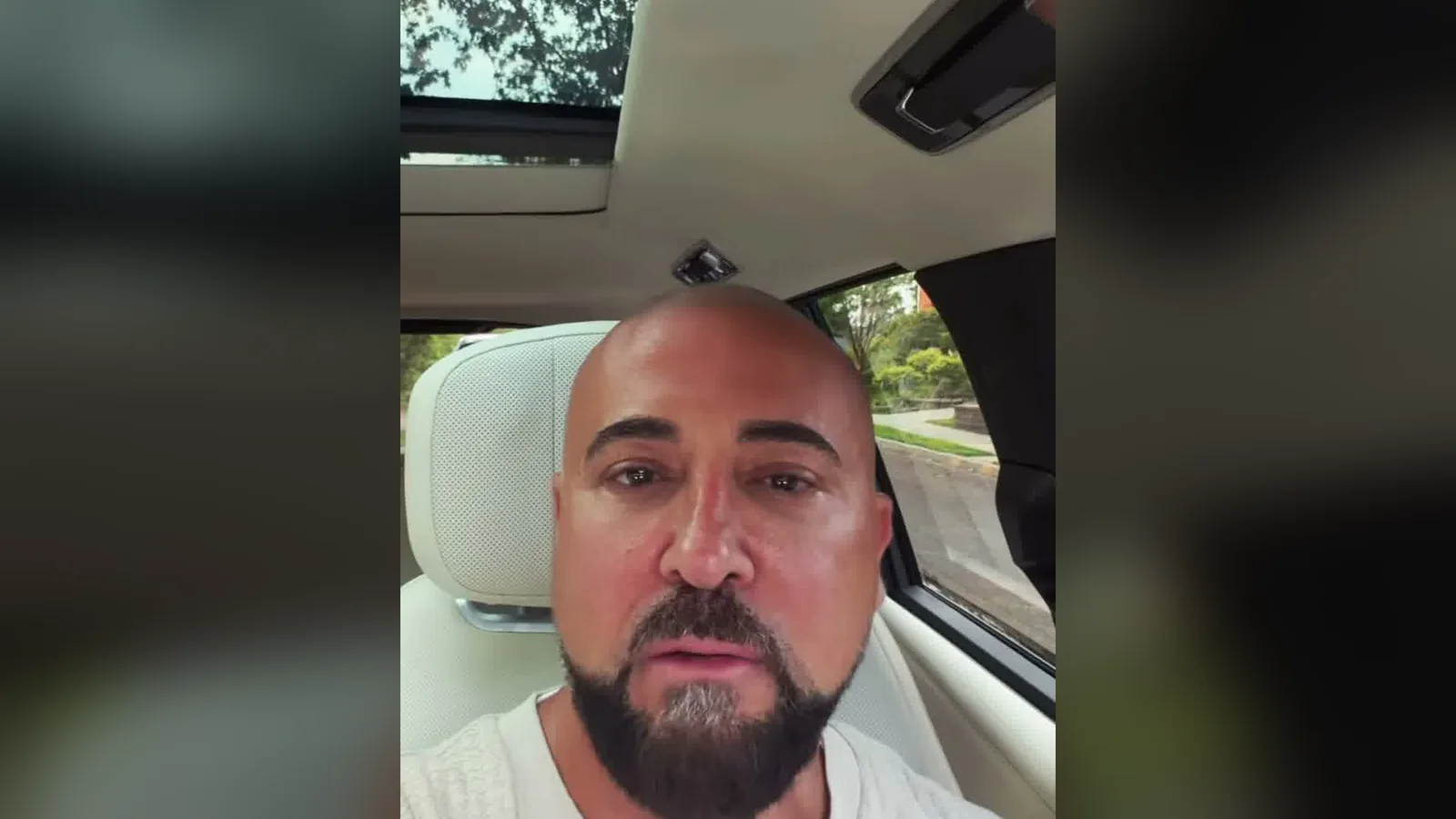
Who Is Ryan Keip? How to Handle Price Objections Without a Fight
Ryan Keip answers "I can get it cheaper" with three words, then goes quiet. Here is his price objection playbook, his 4x4 Rule and his follow-up.
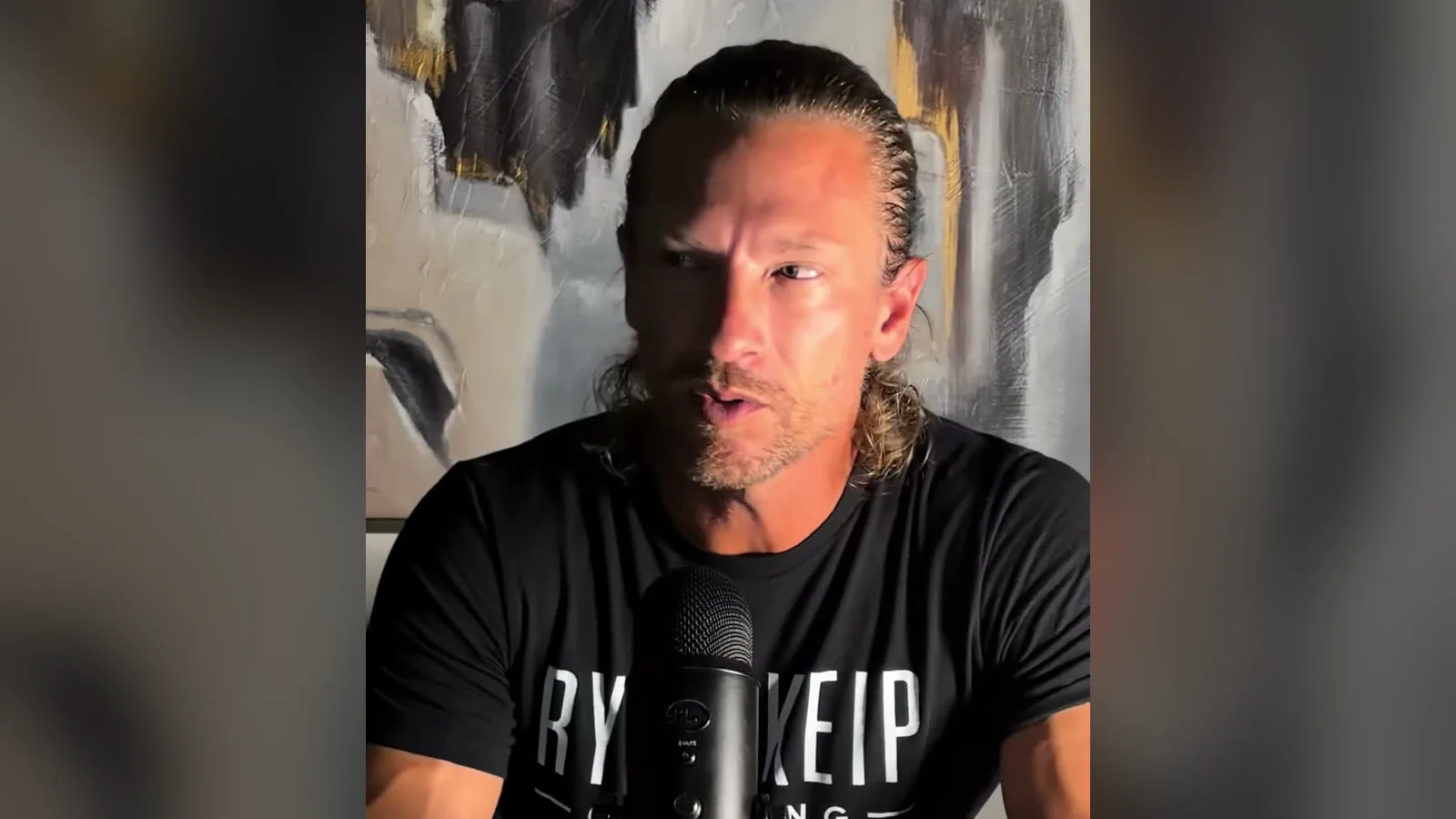
Ryan Keip is a sales coach known on TikTok and Instagram as @theryankeip. He sells sales training through Ryan Keip Academy, a paid online group for phone salespeople. He says he has more than 20 years in sales, and he teaches reps to handle price objections by agreeing first and asking questions instead of defending the price.
A buyer leans back and says it: "I can get it cheaper somewhere else." Most reps feel their stomach drop. They start to defend the price, list features, or offer a discount nobody asked for.
Ryan Keip says three words instead. "You probably can." Then he stops talking.
That is the opening move in his most-watched sales video, with more than 668,000 views on TikTok as of October 17, 2026. It shows how to handle price objections without a fight. It also shows how Ryan thinks about sales.
KEY TAKEAWAYS
- Ryan Keip coaches phone salespeople and runs Ryan Keip Academy on Skool.
- To "I can get it cheaper," he says "You probably can," then asks questions.
- His 4x4 Rule asks four questions in the first four minutes, before any pitch.
- He closes with "Are you opposed to that?" so buyers feel in control.
- His follow-up closes the loop instead of chasing with "just checking in."
Who is Ryan Keip?
Ryan Keip is a sales coach who posts as @theryankeip on TikTok. As of October 17, 2026, he has about 14,200 followers, 177,900 likes and 335 videos there. His Instagram, under the same handle, has about 60,400 followers.
His TikTok bio says, "I help phone salespeople 2X their income." That is his claim. We have not checked it, and nobody's results are guaranteed.
In his videos, he says he has spent more than 20 years in sales. In one video, he says he has made tens of thousands of sales calls and sold tens of millions of dollars in products and services. Those are his own numbers too.
He also runs a consumer finance company. The Ultra Revival website names Ryan David Keip as its founder. It says he started his first company in 2008 and wrote a book called The Credit Movement in 2017. Ultra Revival coaches people to get ready for a home loan.
His road was not smooth. In a short video, he talks about failed businesses, near bankruptcies and 17- to 18-hour days to rebuild. "I didn't quit," he says, "and I hope you don't either."
What does Ryan Keip sell?
Today, Ryan sells sales training. His bio link goes to Ryan Keip Academy. You apply first, then book a 45-minute call with him.
The academy runs on Skool. Its about page lists founding members at $297 a month and a standard price of $397 a month. It showed 36 members on October 17, 2026. Members get a weekly lesson, a live Monday call and a group board where he answers questions.
The site says it is built for salespeople, coaches and service pros, especially those who sell high-ticket offers. If that world is new to you, our guide to high-ticket sales explains how it works.
How do you handle price objections the Ryan Keip way?
Here is how to handle price objections the way Ryan teaches it in his video. He says "I can get it cheaper" is not always about price. Often the buyer just can't see the difference between you and the other option.
Step 1: Agree, then go quiet
Say, "You probably can." He says this takes away the fight. When there is nothing to push against, the buyer has less to defend.
Step 2: Ask what "cheaper" means
Ask, "When you say cheaper, are we talking about getting the same result, or just paying a lower price?" Now the buyer thinks about what they are really buying.
Step 3: Let them compare
Ask, "What have you seen from the other company that gives you confidence you'll get the same result?" He does not defend his price or list one feature. The buyer does the work.
Step 4: Go back to what they told you
If the buyer said earlier that getting it done right mattered more than the cheapest option, remind them. Ask if they still feel that way. He warns you to use this only if they really said it.
Step 5: Ask for a choice
Ask which option gives them the most confidence they will get the result they want. Then let them think.
He is honest about the limits. If two companies give the same result, the same service and the same trust, he says to take the cheaper one. For more ways to answer money worries, see our guide to objection handling for sales.
What does he say when a buyer wants to shop around?
He uses the same idea in another video. When a buyer says, "I'm going to shop around," he tells reps not to panic or say, "Let me know what you find."
Instead, he agrees: "You absolutely should compare your options." Then he asks, "Out of curiosity, what are you hoping to find somewhere else that we haven't been able to address here?"
His point is simple. Shopping around is often about feeling sure, not about price. "Sometimes your biggest competition is the prospect's uncertainty," he says. You fix that with better questions, not more talk.
What is Ryan Keip's 4x4 Rule?
Ryan does not wait until the end of a call to learn if there is a deal. In his 4x4 Rule video, he asks four questions in the first four minutes, before he pitches anything:
| What he wants to know | What he asks |
|---|---|
| Why now? | "What happened that made you take this call today?" |
| What if nothing changes? | "What happens if you don't fix this?" |
| What have they tried? | "What have you already tried to fix this?" |
| Who decides? | "Besides you, who else is involved in making this decision?" |
He says the third question is gold. What they tried, and why it failed, tells you what they will doubt later. And if the honest answer to the second question is "nothing," he says not to invent pain. There may be no deal.
"The better your discovery is, the less closing you have to do," he writes. Our Featured Closer Austin Medlin makes the same bet on deep discovery questions.
What are his two closing questions?
In one video, he says two things must happen for someone to buy. The buyer has to sell themselves, and their guard has to stay down. He uses one question for each:
- The set-up: "Based on everything we just went over, what excites you most about this solution and why?"
- The close: "Sounds like you're ready to get started. Here are the next steps to get you the result you wanted. Are you opposed to that?"
Why ask a question that lets them say no? He says a "yes" can feel like a contract, but a "no" feels like control. When people feel in control, they push back less. His caption claims these two questions "made me millions in sales." We have not checked that, and nobody's results are guaranteed.
The idea of letting buyers sell themselves shows up in other profiles too. Danielle Lynch says the best people let the prospect sell themselves. For more lines you can use, see our list of closing questions examples.
How does he follow up without chasing?
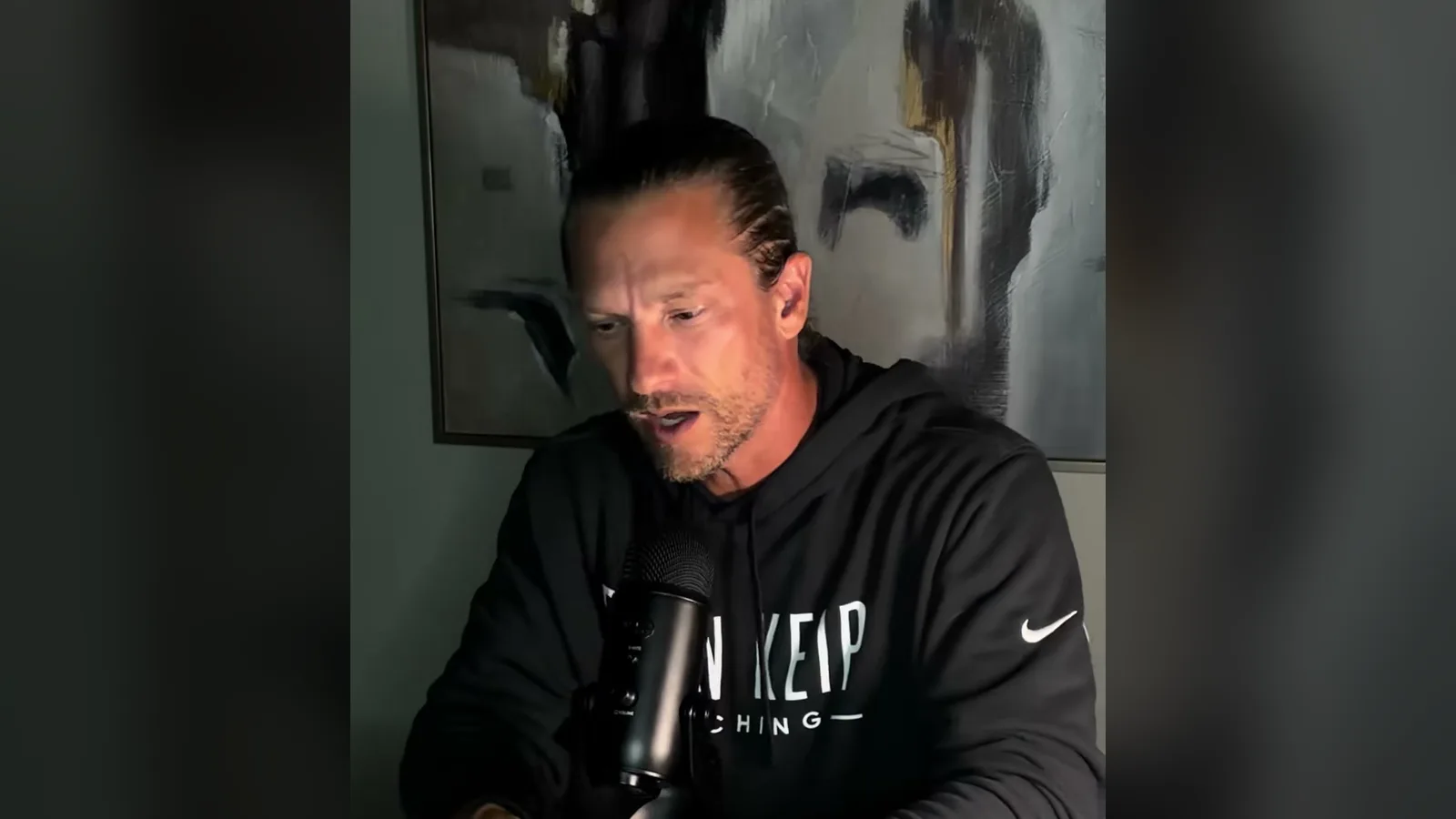
Ryan says most follow-up sounds the same: "just checking in" or "wanted to circle back." In his follow-up video, he says each of those messages gives the buyer a job to do. So they avoid it.
He likes two moves instead:
- Close the loop. "Hey man, if the timing isn't right, no problem. I'm going to close your file out Friday unless I hear otherwise."
- Give value and stop. Send an article or video tied to their problem, with a short note. Don't add "What do you think?"
"Neediness is repulsive in sales," he says. "Certainty is attractive." Follow up to serve, never because you need the deal. Our guide to the follow-up email after a sales call has more examples.
What can any closer learn from Ryan Keip?
All the videos we reviewed are lessons he records to the camera, in a studio, an office or his car. They are not recorded sales calls. He teaches the ideas and leaves you to use them.
His 7-step system sums up what he teaches: mindset, human psychology, connection, discovery, presentation, objections, and closing and follow-up. Three lessons stand out:
- Stop defending. Agree first, then ask a question.
- Ask early. Learn why they are here and who decides before you pitch.
- Be quiet. In a note to his younger self, he writes, "Silence will make you more money than talking ever will."
None of this needs a slick script. It needs nerve, curiosity and a closed mouth at the right time. Our guide to closing techniques for sales shows where these moves fit.
Where can you follow Ryan Keip?
You can follow Ryan on TikTok and Instagram as @theryankeip. His academy page is where you apply to work with him.
Go back to that buyer who says, "I can get it cheaper somewhere else." Ryan does not argue. He says, "You probably can," and lets the buyer think. As he puts it, the most expensive choice is not always the one with the highest price. "Sometimes it's the one you have to buy twice." Meet more people like him in our Featured Closers section.
Frequently asked questions
What should you say when a customer says it's too expensive?
Don't defend the price right away. Ryan Keip's approach is to agree first, then ask questions that help the buyer compare results, not just prices. Bring them back to what they told you mattered most.
Should you offer a discount to close a sale?
Ryan Keip warns against discounts nobody asked for. In one caption, he writes that if discounting is the only way you handle price, you are negotiating against yourself.
What does "Are you opposed to that?" do in a close?
It lets the buyer say no, which can make them feel in control. Ryan Keip says people push back less when they feel in control, so the decision feels like their own.
How much does Ryan Keip Academy cost?
On October 17, 2026, its Skool page listed founding members at $297 a month and a standard price of $397 a month. Prices can change, so check the page before you join.
Are Ryan Keip's TikTok videos real sales calls?
No. The videos we reviewed are lessons he records to the camera. He explains what to say and why, but he does not show real buyers.
How can I get featured in Closers Weekly?
We profile salespeople, sales leaders and founders who close for a living. Send us your story on our Get Featured page.

Rob P. writes about the concepts that help people sell better, close faster and provide for the people who count on them. Every fact in this article links to its source; read our editorial standards.
Sources
- TikTok: Ryan Keip (@theryankeip) profile
- Instagram: Ryan Keip (@theryankeip) profile
- TikTok: "I can get it cheaper somewhere else" (Oct 2026)
- TikTok: the 7-step sales system (Sept 2026)
- TikTok: "I'm going to shop around" (Oct 2026)
- TikTok: the 4x4 Rule (Sept 2026)
- TikTok: two closing questions (Oct 2026)
- TikTok: discounting is negotiating against yourself (Aug 2026)
- TikTok: follow-up that closes the loop (Aug 2026)
- TikTok: "Must be nice" (Aug 2026)
- TikTok: advice to his younger self (Sept 2026)
- Ryan Keip Academy: apply page
- Skool: Ryan Keip Academy about page
- Ultra Revival: home page and Meet the Founder