Who Is Eli Wilde? NLP in Sales and the One Close He Uses
Eli Wilde says one plain line closed millions for him: "Here's what I think you should do." Here is the work he does before he says it.
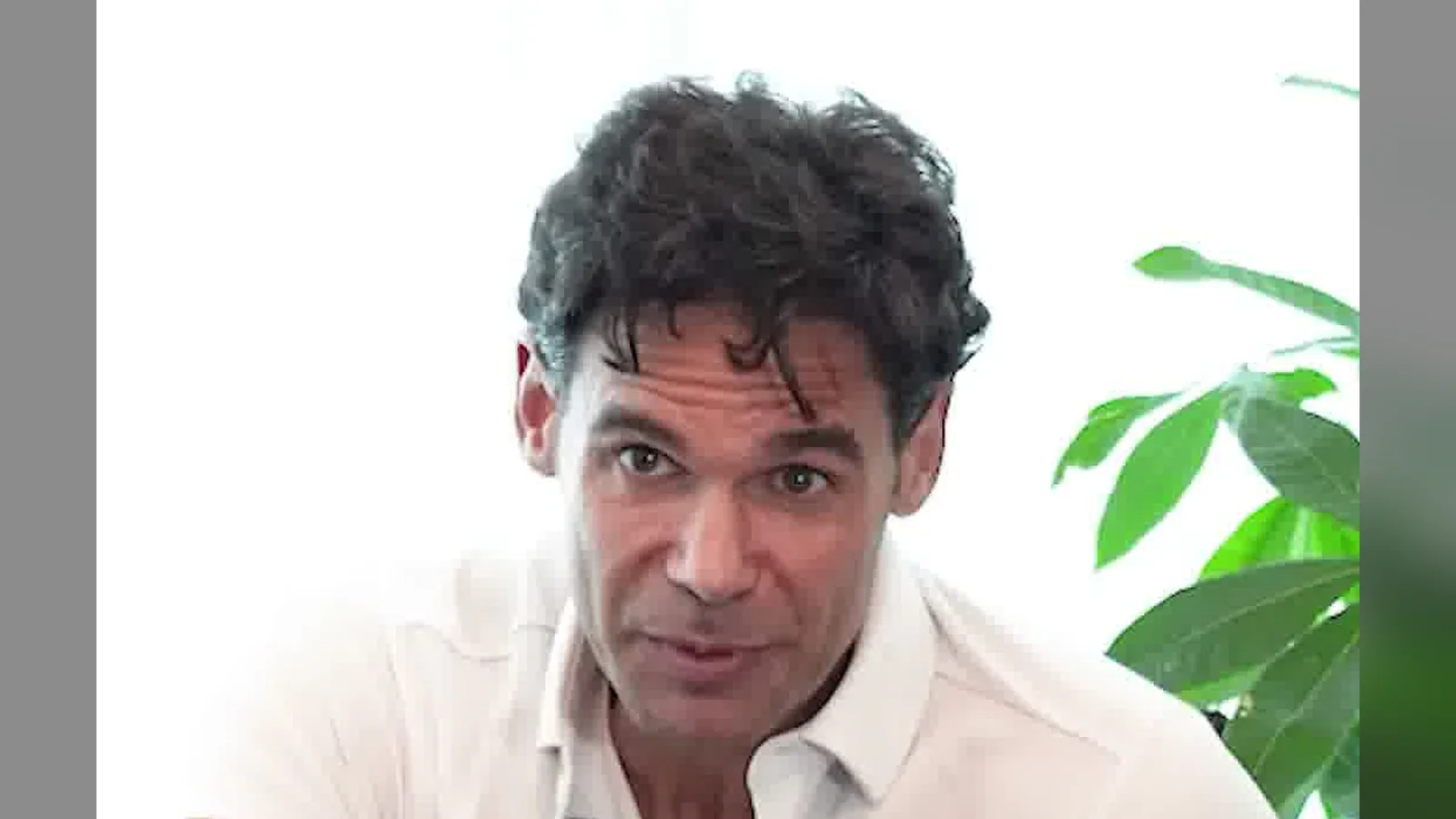
Eli Wilde (@wildeinfluence) is a sales and speaking trainer who runs Wilde Influence. He says he was a top salesperson for Tony Robbins. He sells a $9 NLP sales manual, an AI sales coach, live speaker events and coaching. His take on NLP in sales: use clear questions and reframes so buyers trust you, the offer and themselves.
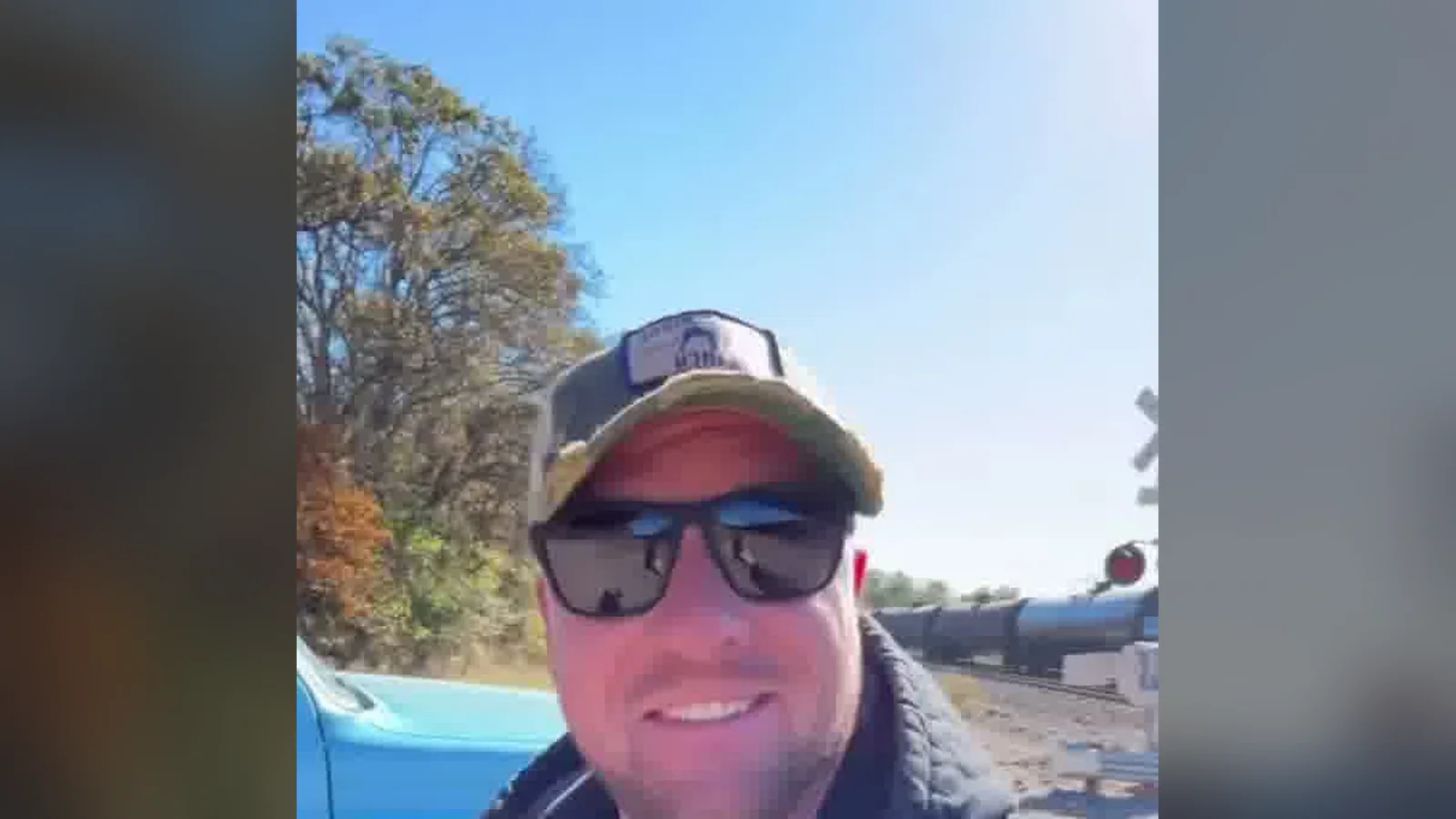
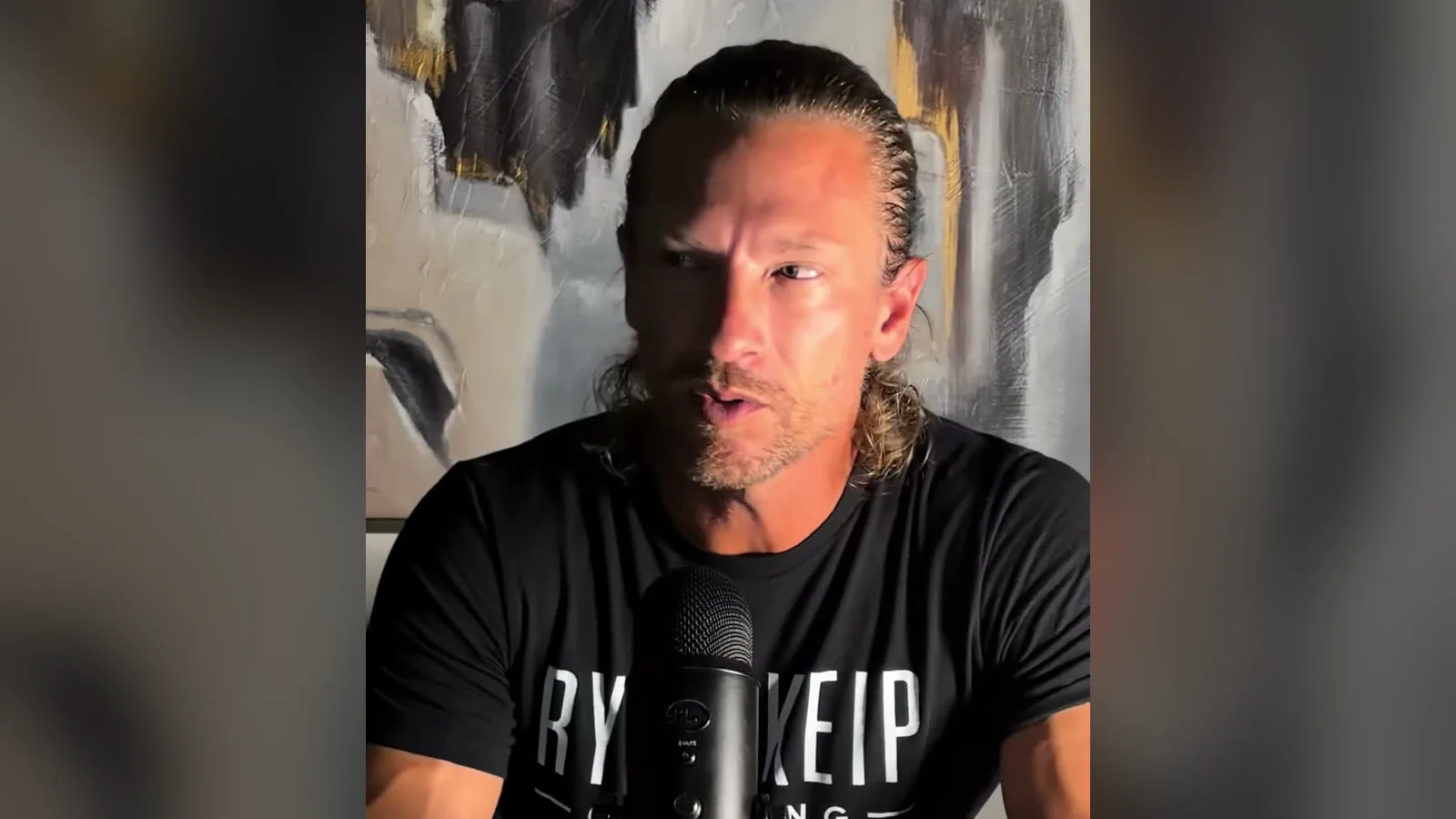
A man sits in a chair with a laptop on his knee. He says he has used one close to sell "millions and millions" of dollars. "You want to hear the fancy close?" he asks.
Then he gives it: "Here's what I think you should do." That's it. No trick. No clever line.
The man is Eli Wilde, who posts as @wildeinfluence. He says that plain line works because of everything that comes before it. That "everything before" is what he teaches. He calls a big part of it NLP in sales.
KEY TAKEAWAYS
- Eli Wilde runs Wilde Influence and says he was Tony Robbins' top salesperson.
- His Trust Trinity says buyers must trust you, the product and themselves.
- His Question Catch drill: never drop a question that got a weak answer.
- He says being liked and being respected are not the same thing.
- His favorite close is plain: "Here's what I think you should do."
Who is Eli Wilde?
Eli Wilde is a sales trainer and speaker coach. On Instagram he is @wildeinfluence, a verified account with about 92,000 followers as of October 17, 2026. His profile name there reads "Eli Wilhide." His website, his book and his videos all use the name Eli Wilde.
His bio says he helps "7-8 figure Entrepreneurs sell more effectively." It also says he has done "over 9 figures" in sales himself.
His website tells the rest of his story. He says he was the top salesperson for Tony Robbins and his companies for years. He also says he was Tony's top corporate trainer. Then he started his own company, Wilde Influence.
The same page says he started out "insecure and awkward." That is worth knowing. He did not begin as a natural on stage.
What does Wilde Influence sell?
Eli sells training for people who sell, on calls and from the stage. Here is what his site offers today:
- An NLP sales manual. His book page sells it for $9 and calls the price limited.
- An AI sales coach. A tool that lets reps practice objections before they face real buyers.
- Live speaker events. His events page lists a two-day workshop called Stage Masters on January 15 and 16 in Miami. The goal is to build one talk that sells.
- Courses and coaching. Sales training, live calls and speaker training, some by application.
His numbers move around from page to page. His homepage says over $250 million in sales closed. His book page says $100 million plus in high-ticket sales. Those are his claims. We have not checked them, and nobody's results are guaranteed.
What is NLP in sales?
NLP stands for neuro-linguistic programming. It started with Richard Bandler and John Grinder in the 1970s. Be honest with yourself about the label. Wikipedia calls NLP pseudoscientific, and reviews have not found good proof for its big claims.
So what does Eli mean by NLP in sales? On his book page, it is mostly plain sales skill with new names. He teaches reframes, which change what a fact means to the buyer. He teaches questions that steer focus. He teaches how to find the fear under an objection like "It's too expensive."
You don't have to buy the label to use the tools. A good question is a good question. Our guide to objection handling for sales covers the same ground in plain words.
What is Eli Wilde's Trust Trinity?
The Trust Trinity is the core of his system. His site says a buyer needs to trust three things before they say yes.
| Trust in... | What it means | His tool names |
|---|---|---|
| The speaker | They believe you know your stuff and mean well. | Stagecraft Secrets, Story Selling |
| Themselves | They believe they can do it and get the result. | Identity Shift, Irresistible Future |
| The product | The offer feels like the clear next step. | Smooth Offer Structure, Passing Vehicle Syntax |
His book page makes a bold point about the middle row. It says trust in themselves is where most deals are won. A buyer can love you and your product and still say no if they don't think they can follow through.
How does Eli's "Question Catch" work?
This is his most useful lesson for reps on the phone. In a YouTube video, he names the problem: you ask a great question and get a weak answer. Most reps just move on to the next question.
He says that is the mistake. "Average rep, they collect questions," he says, "but great reps, they collect answers." Here is how his game works:
- Give every question one job. "How long has this been important to you?" is two questions. The buyer will answer the easy half.
- Know what a good answer sounds like. In his weight-loss example, "I just want to get back on that horse" tells you nothing. A real reason sounds personal and specific.
- Ask the same question a new way. Try, "What would be different with you back on that horse?" Now you get the real answer.
- Give a choice when answers stay vague. If they say "a while," ask if it has been a couple of months, a couple of years or longer.
- Reward good answers. When they give you something real, thank them. He says what gets rewarded gets repeated.
His homework is simple. Print your script. Next to each question, write a great answer, an okay answer and a bad answer. Then write three or four ways to move from bad to good. Our list of closing questions examples is a good place to practice this.
This idea lines up with our Featured Closer Jeremy Miner, who builds his whole method on questions that let buyers persuade themselves.
What is the question he says you "can't say no to"?
In another reel, he shows a line that starts with "Isn't it more important...?" A buyer lists all the things going on in their life. He thanks them for sharing. Then he asks if it isn't more important to build a system for wealth, so they never have to worry about money again.
Next he asks what happens if nothing changes. His answer: you'll be in the same spot, or a worse one. Last, he asks, "What can we do to make that a reality right now?"
Notice the order. First he respects what they said. Then he points at the cost of doing nothing. Our Featured Closer Cole Gordon makes a similar point: find the pain first. Use this line with care, though. It only works if the thing really is more important to them, not just to you.
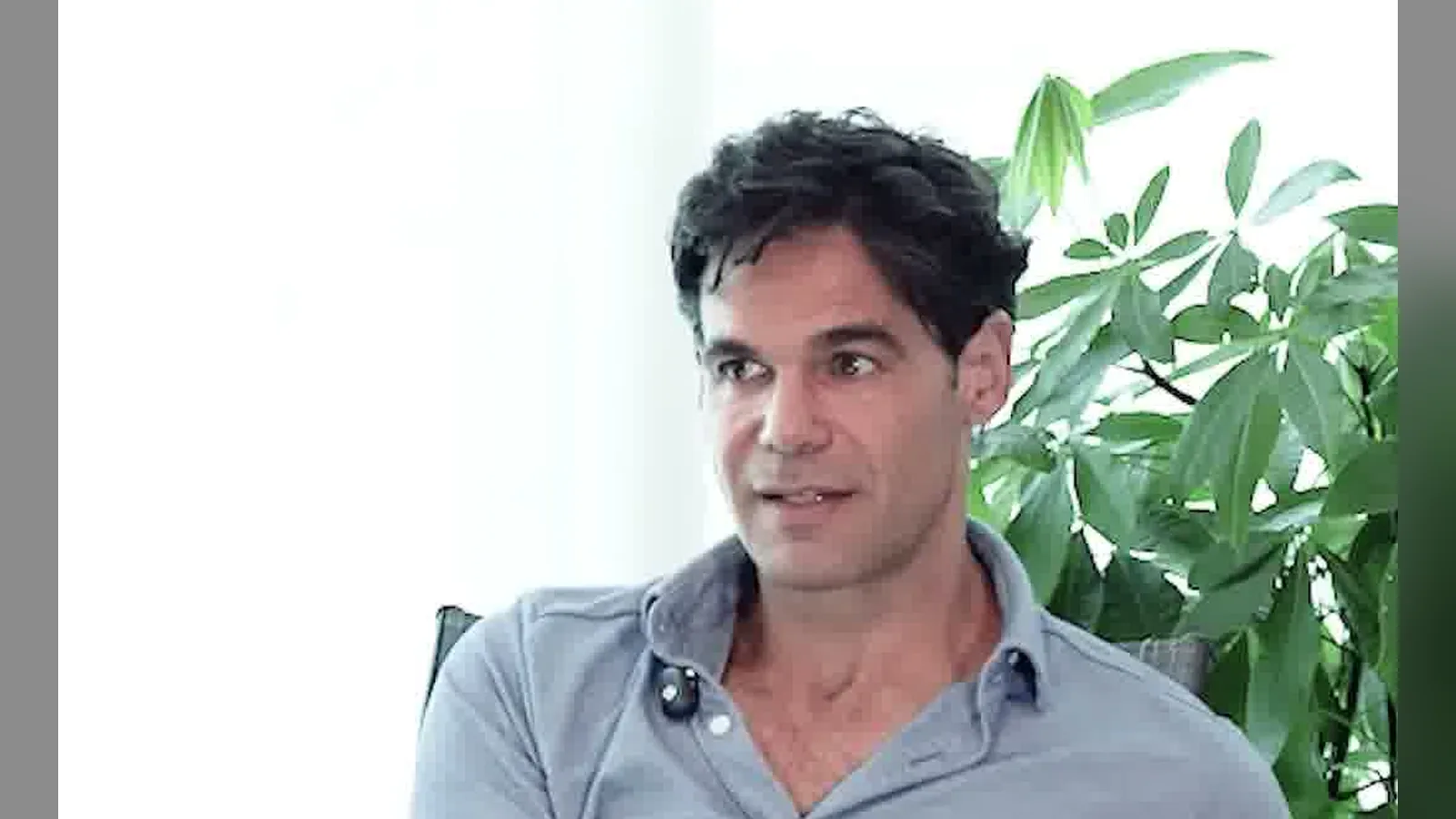
Why does Eli say being liked is not enough?
A reel about this has a title card that reads, "Being liked and being respected are not the same thing. In sales, only one gets you paid."
In it, he says 80% of sales reps read the script just to read the script. They ask a question just to ask it. Many speakers give a talk just to be liked. He says people may like them, but they won't see them as a leader or pay them big money.
His fix is to know your outcome before you speak. On a call, the outcome is a clear buyer. On stage, it is a room that is ready to act. Our sales pitch presentation examples show what that looks like in a real pitch.
What can any closer learn from Eli Wilde?
- Don't drop a question that missed. Ask it again, a new way.
- Practice until it is the same every time. In his most-played recent reel, he says Tony Robbins told him he learned this from watching Robin Williams do the same show two nights in a row. Same jokes, same laughs. Tony called that mastery.
- Close plainly. If you did the work, "Here's what I think you should do" is enough. Our guide to closing techniques for sales shows other closes that work the same way.
- Don't push people into things they don't need. His own caption on the close reel says the goal of an offer "shouldn't be to pressure someone."
Where can you follow Eli Wilde?
You can find him on Instagram as @wildeinfluence and on YouTube, where his longer trainings live. His site is wildeinfluence.com. In his Instagram captions, he asks people to DM him the word "EVENT" for details on his next live event.
Go back to that chair and that laptop. "Here's what I think you should do." In the same reel, Eli says he once felt the other side of that line. He saw Tony on stage and thought, "I want more, please." He says he was willing to invest money he didn't have. That is the lesson. The close is short because the trust was built first. You can meet more closers like him in our Featured Closers section.
Frequently asked questions
Is Eli Wilde the same person as Eli Wilhide?
The @wildeinfluence Instagram profile name reads Eli Wilhide. His website, book and videos use Eli Wilde, so we use the name he uses for his business.
Did Eli Wilde work for Tony Robbins?
His website says he was the top salesperson and top corporate trainer for Tony Robbins and his companies. His YouTube channel also has a video titled Tony Robbins Testimonial for Eli Wilde. We have not checked his sales numbers.
Does NLP really work in sales?
Scientists have not found good proof for NLP's bigger claims. The parts reps use most, like clear questions and reframes, are basic sales skills you can test on your own calls.
How much is Eli Wilde's NLP sales manual?
His book page sells the manual for $9 and says the price is limited. It also offers discounts on an audiobook and his AI sales coach.
Is "Here's what I think you should do" a pushy close?
It can be if you skip the work before it. Eli says it works because of the questions and trust that come first, and that an offer should not pressure people into things they don't need.
How can I get featured in Closers Weekly?
We profile salespeople, sales leaders and founders who close for a living. Send us your story on our Get Featured page.

Sarrah Sanchez is a home, arts and crafts-minded creative who brings a maker's eye to her writing. With several years in the online writing space, she covers sales careers, scripts and the stories of the people who close. Every fact in this article links to its source; read our editorial standards.
Sources
- Instagram: Eli Wilde (@wildeinfluence) profile
- Wilde Influence: official website
- Wilde Influence: Eli Wilde's NLP Handbook
- Wilde Influence: Stage Masters live speaker training
- YouTube: Eli Wilde channel
- YouTube: How to Handle Weak Answers on Sales Calls (The "Question Catch")
- Instagram reel: the only sales line he actually uses (Sep 8, 2026)
- Instagram reel: "Isn't it more important...?" (Sep 14, 2026)
- Instagram reel: being liked vs. being respected (Sep 13, 2026)
- Instagram reel: what Robin Williams taught Tony Robbins about mastery (Sep 15, 2026)
- Wikipedia: Neuro-linguistic programming