Who Is Jeremy Miner? What Is NEPQ, the Sales Method He Built
Jeremy Miner built 7th Level on one idea: ask, don't tell. Here is what NEPQ is and the exact lines he uses to open calls.
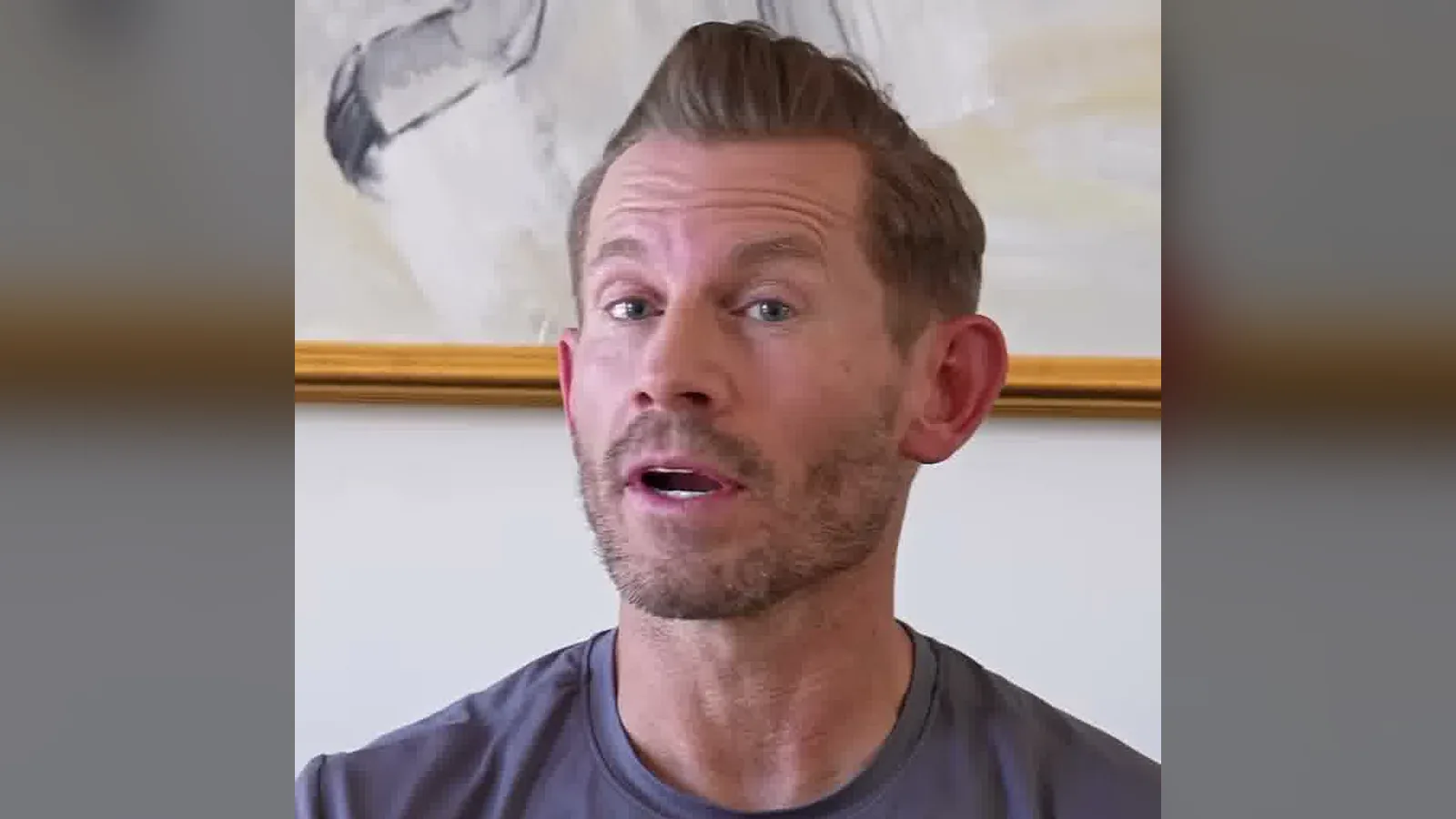
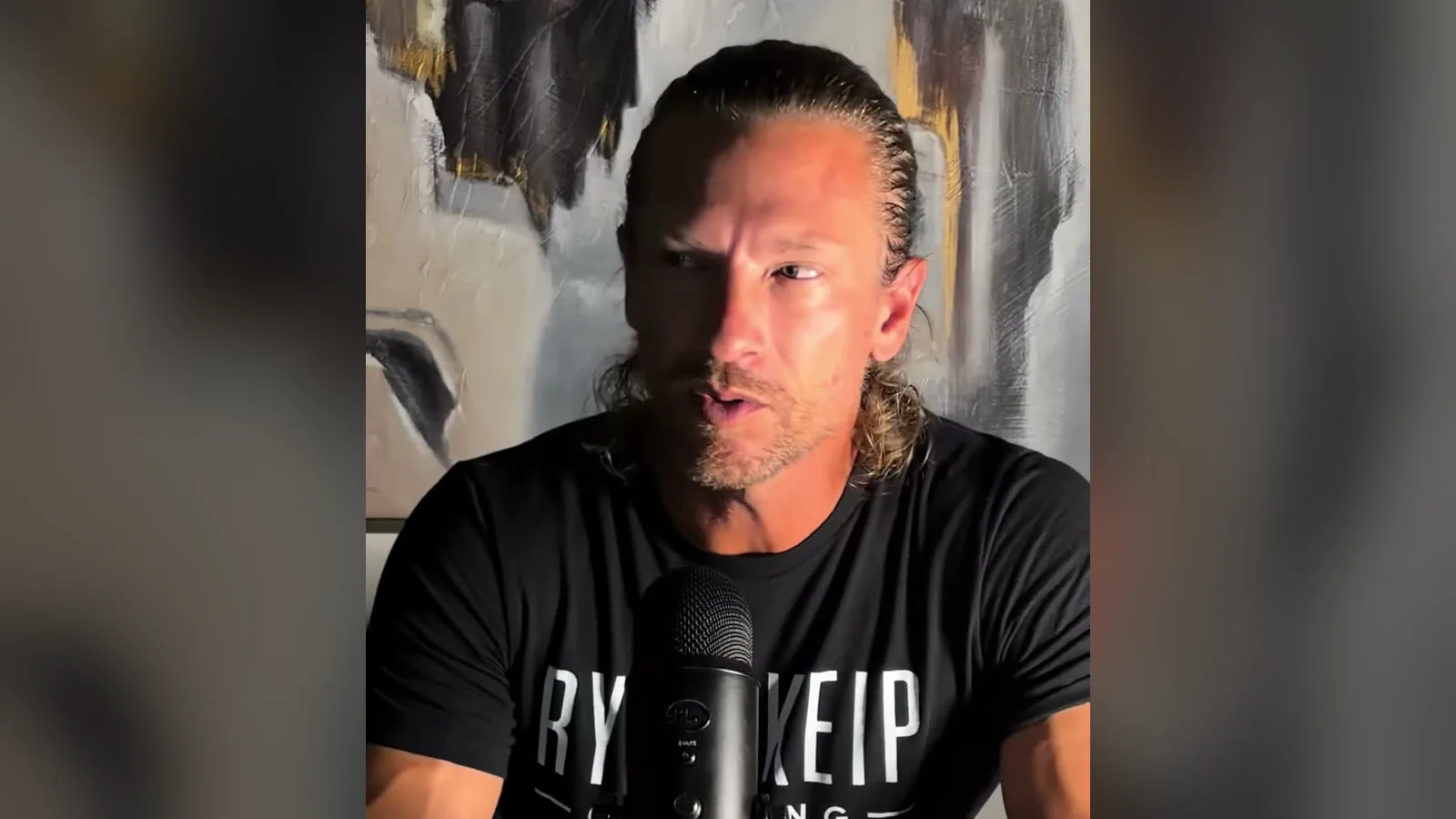
Jeremy Miner is a sales trainer, the founder of 7th Level and the creator of NEPQ. What is NEPQ? It stands for Neuro-Emotional Persuasion Questioning. Instead of pitching, the rep asks questions in a set order so buyers see their own problem and talk themselves into changing. He posts as @jeremyleeminer.
A man in a headset walks through a seminar room with a foam microphone cube. He hands it to a real estate agent. "What do you sell?" he asks. Then: "Why should I go with you?"
She talks about her background and experience. He takes the cube and moves on. The next person says, "Because we know what we're doing." Then he turns to the room. "In your prospect's brain, you kind of all sound the..." The room answers: "Same."
That clip has more than 6.9 million plays on Instagram. The man is Jeremy Miner. His fix for sounding the same is a method called NEPQ. So what is NEPQ, and why do so many reps study it?
KEY TAKEAWAYS
- Jeremy Miner started out selling home security door to door in college, then built 7th Level.
- NEPQ means Neuro-Emotional Persuasion Questioning. The buyer persuades themselves.
- He says all sales are about one thing: change.
- He never opens with "Is this John?" He says it signals "stranger."
- When a buyer says "I'm not interested," he agrees, then asks questions.
Who is Jeremy Miner?
Jeremy Miner is a sales trainer. He is the founder and CEO of 7th Level, a sales training company. On Instagram he is @jeremyleeminer, a verified account with about 1.4 million followers as of October 17, 2026.
His bio calls him the creator of NEPQ and says "1,000,000+ Trained." That is his own number. We have not checked it, and nobody's results are guaranteed.
He did not start on a stage. In a 2024 talk on the Young and Profiting podcast, he says he grew up on a cattle ranch in Missouri. His first sales job, at about age 21, was selling home security systems door to door while he was in college.
The company gave him scripts. He says they did not work. The first lines put people on guard. So he changed his tone and tried to make people curious instead. If you have ever knocked on doors, our look at the door-to-door salesman shows how tough that first job can be.
He also hosts a podcast called Closers Are Losers. And he co-wrote a book with Jerry Acuff, The New Model of Selling: Selling to an Unsellable Generation. Morgan James Publishing put it out in 2023.
What is NEPQ, and what does it stand for?
NEPQ stands for Neuro-Emotional Persuasion Questioning. The Young and Profiting episode page says it uses behavioral science and psychology. The goal is to get buyers to persuade themselves.
Jeremy sorts sales talk into three styles. The first is push and pressure, the old boiler-room way. The second is consultative selling, which leans on logic and surface-level questions. The third is a real back-and-forth talk. That third style is NEPQ.
So what is NEPQ in plain words? It is a way to sell by asking, not telling. The buyer does most of the talking. They say the problem out loud. They say why it needs to change. People doubt a rep who tells. They rarely doubt their own words.
How does the NEPQ sales process work, step by step?
In the same interview, he walks through his types of questions in order:
- Connection questions. Take the focus off the seller and lower the buyer's guard.
- Situation questions. Learn what is really going on for the buyer today.
- Problem awareness questions. Help the buyer see the gap between where they are and where they want to be.
- Clarifying and probing questions. Dig into how the problem makes them feel.
- Solution awareness questions. Help them picture life once the problem is solved.
- Consequence questions. Let them explain why they need to change.
He warns that one question pulled out of this order will not work on its own. The setup is what makes it land. The whole call feels less like a pitch and more like a guided talk. Our list of closing questions shows how the end of a call can sound once the buyer is ready.
He also sells a book of his questions, the NEPQ Black Book of Questions, through the link in his bio.
How does Jeremy Miner open a sales call?
He starts by cutting one line. In a reel from a training room, he says he will never open with "Is this Mary? Is this John?" He says it tells the buyer's brain one thing: "Stranger."
When he calls a lead who asked for info, he wants to sound like someone they know. They filled out the form. He is just calling them back. His example goes like this:
"So, John, hey, it's Jeremy, Jeremy Miner, calling you back. You responded this morning to the ad..." Then he names what they asked about and ends with "right?"
He says nobody will say no to that. From the first question, the buyer starts to think about the result they want. Our guide to what cold calling is covers how calls to strangers differ from calls to leads who raised their hand.
What does he say to "I'm not interested"?
Most reps fight this objection. Jeremy agrees with it. In a short reel, he says that if he sets off resistance in the first 15 seconds, "it's over." So he lowers the guard instead.
He tells the buyer he's "not quite sure we can even help you yet." He says he would need to know more about their situation, "'cause maybe you don't even need us." Then he asks who they use now. He calls this deframing and reframing. Our guide to objection handling for sales has more ways to stay calm when a buyer pushes back.
| Common move | Jeremy's move |
|---|---|
| "Is this John?" | "John, hey, it's Jeremy, calling you back." |
| Arguing with "I'm not interested" | Agree, then say you're not sure you can help yet |
| "We're the best" | Ask questions until the buyer names the problem |
Why does Jeremy say every sale is about change?
Go back to that room full of reps. In a reel with 5.9 million plays, he runs the same test. Then he walks to the stage. "All sales are about one thing only," he says, "and that's about change."
His point is simple. Buyers have to believe that changing is less risky than doing nothing. If they stay put, their problems stay the same. Your job is to help them see that for themselves. "We're the best" won't do it, because every rival says it too. Our sales pitch examples show how to build a pitch around the buyer's problem, not your brag.
He makes the same point about price. In a reel about a Ferrari, he asks if a $500,000 car is harder to sell than a $500 insurance policy. His answer is no. Every product is built to solve a problem, an emotional need, or both.
A Ferrari does not solve a travel problem, he says. A used Honda gets you there too. It meets an emotional need. If you know what to ask and when to ask it, he says, it doesn't matter what you sell.
How does he handle an insurance lead who says "I didn't fill anything out"?
Old leads often forget they asked. In a reel for insurance reps, he shows how he talks to an aged lead who says, "Well, I didn't fill anything out."
He doesn't argue. He takes their side. He jokes that they must be getting a lot of calls and offers to make the calls stop. Then he asks who they went with, "just so I make sure they don't call you anymore."
When they name a policy, he gets curious about why someone their age has that kind of plan. The buyer asks, "Well, hold on, what do you mean?" Now they are the one leaning in. He calls it "triggering some curiosity."
If you sell insurance, know your state's rules and the do-not-call laws. If a person asks you to stop calling, stop and put them on your do-not-call list. Our insurance objection handling script has more lines built for that world. Our Featured Closer Moe Makke makes a similar case: the money is often in leads you already have.

What are Jeremy Miner's rules for Zoom sales calls?
In a reel on Zoom mistakes, he says many reps lose trust before they even talk. His fixes:
- Skip the blurred or beach background. He says it tells buyers you're hiding something. He likes a real bookshelf.
- Keep the camera at eye level. Looking down at the buyer feels like you're overpowering them. Looking up makes you seem lower status.
- Show "navel up." He calls this the trust zone. Buyers should see your arms move as you talk.
What can any closer learn from Jeremy Miner?
Three lessons stand out.
Ask more than you tell. NEPQ works because the buyer hears their own reasons. Our Featured Closer Danielle Lynch says it this way: "The best people let the prospect sell themselves."
Lower the guard first. From his opener to his answer for "I'm not interested," he works to keep buyers from feeling pushed. Maddie DeCoste does something close to this when she looks past an objection to find the real reason.
Keep learning. In his Zoom reel, he says he has about 2,000 books in his office. Want a place to start? Try our list of great sales books.
Where can you follow Jeremy Miner?
You can find him on Instagram as @jeremyleeminer, where his bio says he answers sales questions. His bio link goes to the NEPQ Black Book of Questions. His podcast is Closers Are Losers.
Think back to that seminar room. Rep after rep gave the same answer, and the whole room heard it at once. Jeremy did not lecture them about standing out. He asked questions until they saw it for themselves. That is NEPQ in one scene. You can meet more sellers like him in our Featured Closers section.
Frequently asked questions
What does NEPQ stand for?
NEPQ stands for Neuro-Emotional Persuasion Questioning. Jeremy Miner created it as a way to sell by asking questions in a set order, so the buyer talks themselves into a change.
Is Jeremy Miner's Instagram account verified?
Yes. His account, @jeremyleeminer, has a verified badge and about 1.4 million followers as of October 17, 2026.
What company did Jeremy Miner start?
He is the founder and CEO of 7th Level, a sales training company. NEPQ is the method at the center of its training.
Does NEPQ work for insurance sales?
Jeremy posts examples aimed at insurance reps, like how to talk to an old lead. Any rep using these ideas must follow state rules and do-not-call laws. No method guarantees sales.
What books has Jeremy Miner written?
He co-wrote The New Model of Selling: Selling to an Unsellable Generation with Jerry Acuff, published by Morgan James in 2023. He also sells the NEPQ Black Book of Questions through his Instagram bio link.
How can I get featured in Closers Weekly?
We profile salespeople, sales leaders and founders who close for a living. Send us your story on our Get Featured page.

Sarrah Sanchez is a home, arts and crafts-minded creative who brings a maker's eye to her writing. With several years in the online writing space, she covers sales careers, scripts and the stories of the people who close. Every fact in this article links to its source; read our editorial standards.
Sources
- Instagram: Jeremy Miner (@jeremyleeminer) profile
- Young and Profiting: Jeremy Miner, The Neuroscience of Selling (E297, July 2024)
- Exclusive Books: The New Model of Selling by Jerry Acuff and Jeremy Miner (Morgan James Publishing)
- NEPQ Black Book of Questions (link in his Instagram bio)
- Instagram reel: testing salespeople, "you all sound the same" (Jul 27, 2025)
- Instagram reel: "All sales are about one thing only" (May 14, 2025)
- Instagram reel: how to start a sales call (Oct 14, 2026)
- Instagram reel: handling "I'm not interested" (Oct 14, 2026)
- Instagram reel: Ferrari vs. insurance policy (Oct 12, 2026)
- Instagram reel: aged insurance leads (Oct 16, 2026)
- Instagram reel: Zoom mistakes that lose sales (Oct 15, 2026)