Who Is Greg Pahel? The Sales Psychology Coach Behind Clever Closers
Greg Pahel of Clever Closers teaches reps to sell with calm, questions and contrast. Here is his method and his five rules for objections.
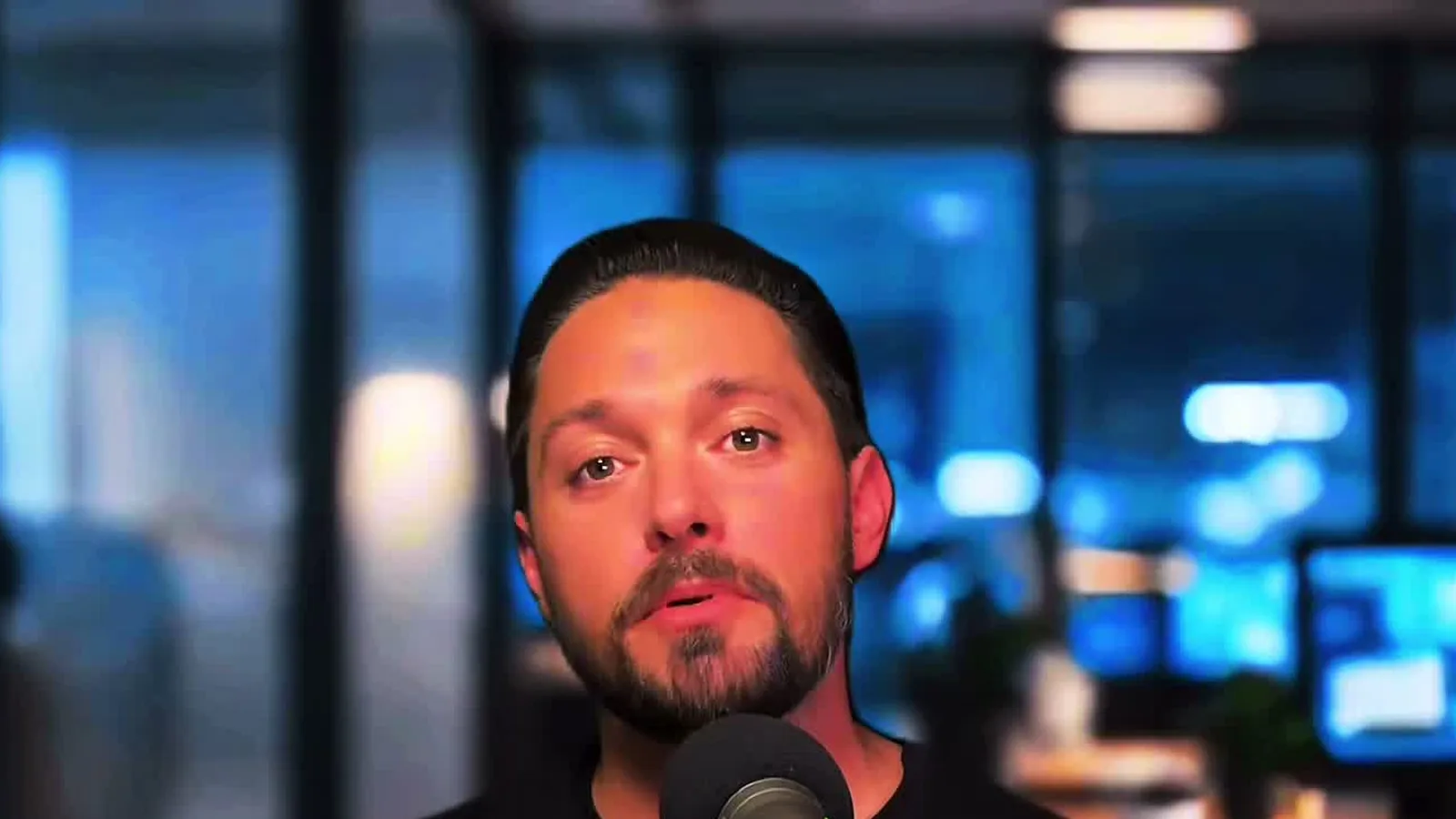
Greg Pahel is the sales coach behind Clever Closers, known on TikTok as @cleverclosers_. He sells sales psychology training: courses and 1:1 coaching that teach reps to stay calm, ask better questions and stop objections before they start. He says he was once the top rep at a large financial services firm.
A man sits at a microphone and reads a letter out loud. A college student is writing home after a year of silence. She tells her parents about a dorm fire, a skull fracture and a sudden engagement.
Then she takes it all back. None of it happened. She is just failing biology.
The man reading is Greg Pahel, the face of the TikTok account @cleverclosers_. He sells sales psychology training under the name Clever Closers. He reads the letter in a video to show one idea: the same bad news feels small next to something worse. That idea sits at the center of how he sells.
KEY TAKEAWAYS
- Greg Pahel runs Clever Closers and posts sales lessons on TikTok as @cleverclosers_.
- He sells sales psychology training: an online course and 1:1 coaching.
- His method: stay calm, ask before you pitch and never use pressure.
- He uses contrast to show buyers the gap between now and later.
- He prevents "I want to think about it" during discovery instead of fighting it later.
Who is Greg Pahel?
Greg Pahel runs Clever Closers, a sales coaching brand. His TikTok, @cleverclosers_, had about 39,600 followers, 168,700 likes and 120 videos as of October 17, 2026. His bio reads: "Become the Sales Person Others Want to Become | DM me for Coaching."
His videos don't show his last name. He signs off with "My name is Greg, this is Clever Closers," as he does at the end of this objection video. The Clever Closers Instagram lists the name Greg Pahel and links to the Clever Closers YouTube channel, which links back to the TikTok.
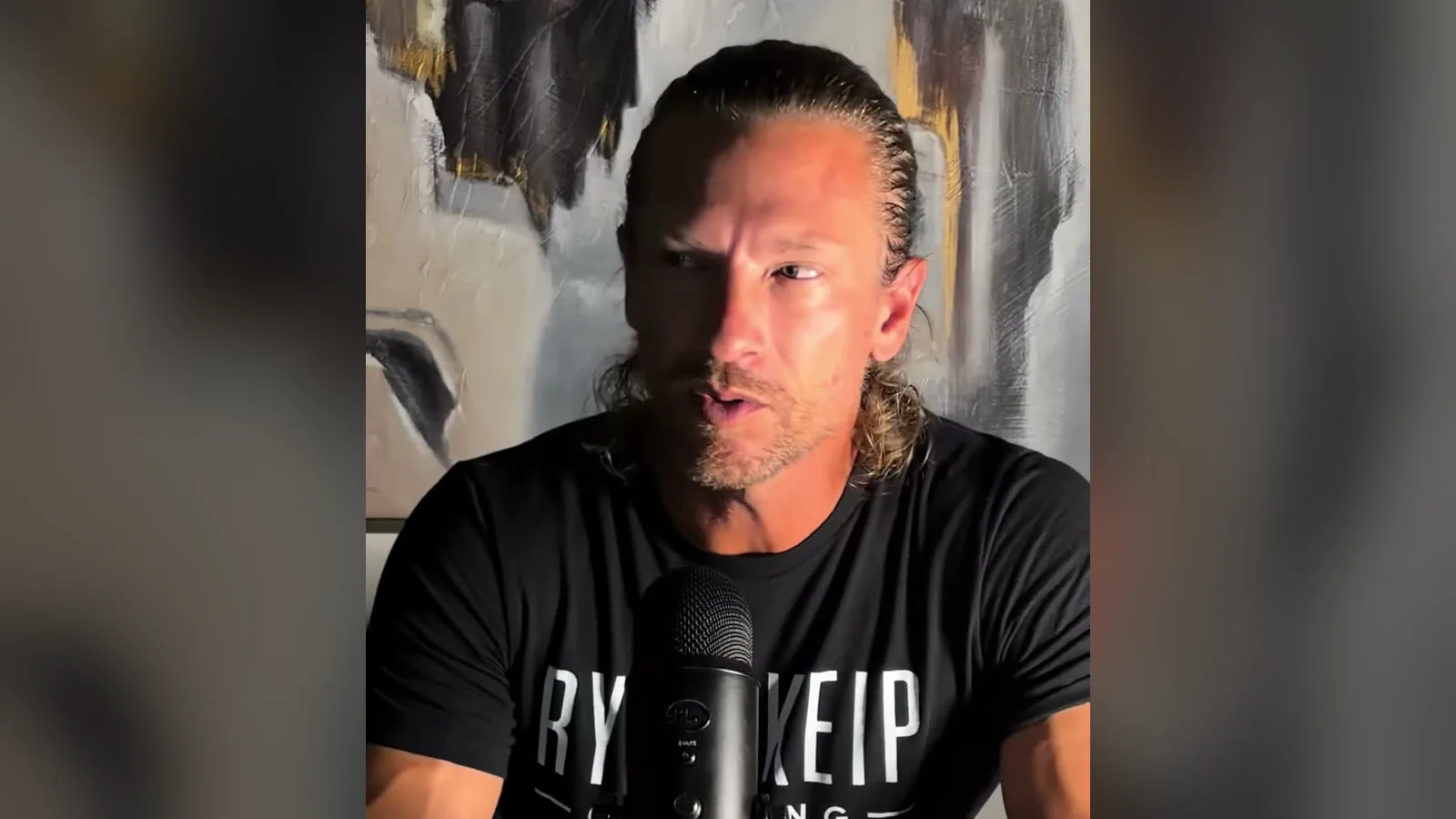
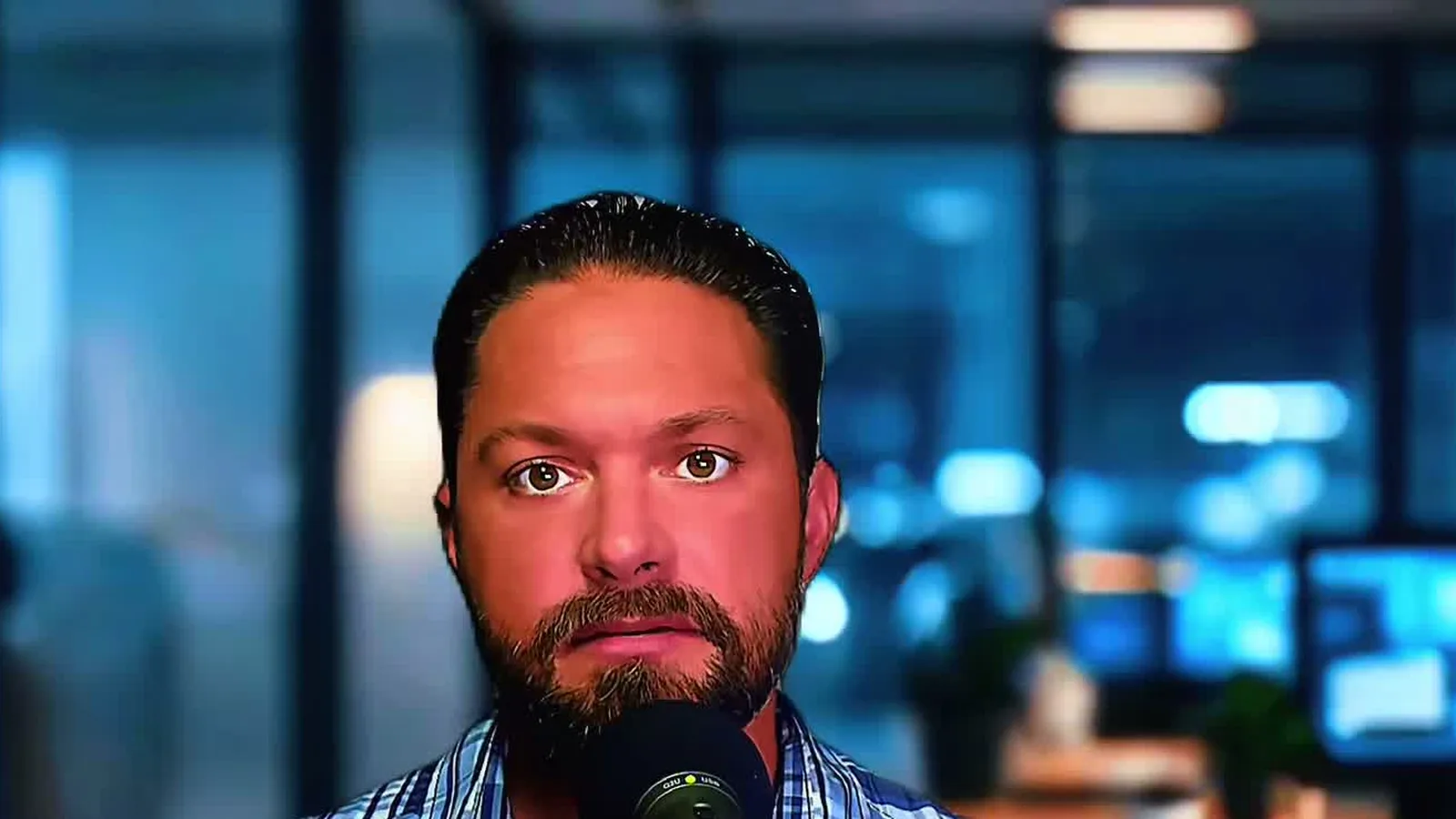
Every video is Greg talking straight to the camera, usually at a desk with a podcast mic. These are not acted skits. When he plays out a buyer and a rep, he is explaining a sample talk, not showing a real call.
Where did he learn to sell? In one video he calls himself "a top sales rep in the country in the financial service industry." He says he was the number one rep at his company, and that it was the top-ranked financial services firm in the U.S. Those are his own claims. We have not checked them, and nobody's results are guaranteed.
What does Clever Closers sell?
Clever Closers sells sales psychology training. Right now the main offer is an online course called Selling Made Simple. The course page in his bio lists five modules:
- Thinking like a pro closer, plus active listening.
- Finding the buyer's real "why" and building rapport.
- Persuasion with no pressure.
- Questions that uncover truth, urgency and commitment.
- Objection handling, including how to prevent objections.
The page lists a regular price of $4,997 and a founding member price of $1,997. He also offers 1:1 coaching. His YouTube description says his methods have helped reps add "$5K, $10K, $20K+ per month" to their income. We have not checked that claim either, and nobody's results are guaranteed.
This is not his first course. In April 2025 he launched The Fighter Pilot Selling Method. He said it was not a script course. It taught "mission plans" before each call and a "debrief" after.
How does his sales psychology training work?
His most-watched video, "Psychology That Sells For You", had about 646,500 views as of October 17, 2026. It lays out his core steps in under three minutes.
Step 1: Kill the hype
Greg says too much excitement makes buyers push back. The more hype you bring, the more they think you're trying to win, not help. His line: "Calm is control, calm is confident, and calm closes."
Step 2: Probe, don't pitch
He says buyers ghost reps because they feel unheard. So ask before you tell. "People buy when they feel seen, not sold."
Step 3: Take away the pressure
Pressure is the fastest way to lose a deal, he says. Top closers create space instead.
Step 4: Think like a doctor
Most reps prescribe before they diagnose. Greg says a doctor who did that would be guilty of malpractice. Ask layered questions until the real problem shows.
Step 5: Talk with them, not at them
Check in as you go with questions like "Does that resonate?" or "How does that land with you?"
Step 6: Hold the price
Talk money too soon and the buyer tunes out. Show value first, so they feel the cost of doing nothing before they hear your price.
If that sounds like the questions-first style of our Featured Closer Jeremy Miner, it should. Both teach that a good question beats a good pitch.
What is the contrast principle in sales?
The contrast principle means we judge things by what we see next to them. That is why the student's F felt small after the fake disaster. Greg says the letter comes from Robert Cialdini's book Influence, which made our list of great sales books.
In his contrast video, Greg says it is his favorite tool, and the reason he had the top close rate at his company. Here is how he uses it on a call:
- Get the buyer to describe the problems they have now.
- Ask about the pain those problems cause.
- Ask how that pain makes them feel. He says most reps skip this step.
- Ask how they would feel if your product took the problems away.
Do this over and over, from the start of the call to the end. Then, when you ask for the sale, the gap between "now" and "later" is huge. He says buyers will often shrug off their own objections, because the future looks too good to pass up.
How does he handle "I want to think about it"?
Greg calls "I want to think about it" a smokescreen, not a real objection. In a 2024 video, he lists five causes: a hidden fear, a risk the buyer sees, the wrong decision maker, no real reason to buy yet, or a belief they can't afford it.
His fix is to prevent it during discovery. After each call, ask yourself five questions:
- Did my offer matter to them on a personal level?
- Did I ask enough questions to find why they want to buy, and why now?
- Did I build rapport?
- Did I stand out from the other options?
- Do I know the result they expect?
A "no" to any of these shows you where the deal broke. Our Featured Closer Kayla Hodges also uses questions to stop this stall before it starts.
What are his rules for objections?
In "Objection Handling is Broken," Greg says top reps don't fight objections. They take them apart. His five rules:
- Don't get defensive. He says buyers hear defense as guilt.
- The first objection is rarely the last. Ask, "Is that the only thing holding you back?"
- Deal with one at a time. Try, "Let's say that we solved that. What else is stopping you?"
- Objections come from feelings. Buyers fear making the wrong choice, not your product.
- Take it apart, don't argue. "What would need to change for it to be the right time?"
His last line: "Objections are not rejection; they are interest in disguise." For more ways to answer pushback, see our guide to objection handling for sales.
He also has a trick for the buyer who wants to shop around. In this video he suggests asking: if every company solved the same problem at a similar price, how would you choose? He says the answer tells you the real selling point.
What can any closer learn from Greg?
Three lessons stand out.
Let the buyer set the terms. His "one question" video gives this line: "Based on everything that you told me, what needs to be true for this to feel like the right move for you?" He says once buyers describe their own conditions, they own the decision. Add it to your list of closing questions.
Learn from every no. In a video on what sales taught him, he says each lost deal made him "one, two, or even three times better" because he looked back and made changes. He calls rejection a chance to "take an X-ray" of the buyer.
Sales is about people. He lists empathy and active listening as lessons that helped him well beyond work, with strangers and loved ones alike. That fits our belief that sales will solve it: better selling makes you better with everyone around you.
Greg also posts cold calling tips, like a numbered series of short videos from August 2024. If you're starting there, read our guide to what cold calling is first.
Where can you follow Clever Closers?
You can find Greg on TikTok as @cleverclosers_, the biggest of his pages. Clever Closers is also on YouTube (about 914 subscribers and 83 videos) and Instagram. The link in his bio goes to the Selling Made Simple course page. The newest TikToks we found were posted in December 2025.
Think back to that letter. The student never changed her grade. She changed what her parents compared it to. That is the whole lesson in one page: show buyers clearly where they are and where they could be, and the price stops looking so big. Find more people like Greg in our Featured Closers section.
Frequently asked questions
Is Clever Closers a real company?
Clever Closers, LLC is named in the privacy policy on its website. It sells sales training online, including the Selling Made Simple course. Its videos feature Greg Pahel.
How much does the Selling Made Simple course cost?
As of October 17, 2026, the course page listed a regular price of $4,997 and a founding member price of $1,997. Prices can change, so check the page before you buy.
What is sales psychology?
Sales psychology is the study of why people buy. It covers things like trust, fear of loss and how buyers compare options. Greg Pahel says buying is mostly an emotional choice backed up by logic.
Does sales psychology training actually work?
Training can help if you practice it on real calls. Results depend on your offer, your effort and your market, and no course can promise you more sales or income.
What is the best response to "I want to think about it"?
Greg Pahel says the best fix is to prevent it. Ask enough questions early to learn why the buyer wants to change, what scares them and who else has to say yes.
How can I get featured in Closers Weekly?
We profile salespeople, sales leaders and founders who close for a living. Send us your story on our Get Featured page.

Sarrah Sanchez is a home, arts and crafts-minded creative who brings a maker's eye to her writing. With several years in the online writing space, she covers sales careers, scripts and the stories of the people who close. Every fact in this article links to its source; read our editorial standards.
Sources
- TikTok: Clever Closers (@cleverclosers_) profile
- TikTok: the contrast principle and the college letter (Mar 2025)
- TikTok: Psychology That Sells For You (May 2025)
- TikTok: five rules for objection handling (Aug 2025)
- TikTok: how to prevent "I want to think about it" (Sep 2024)
- TikTok: when a prospect wants to compare vendors (Jan 2025)
- TikTok: five things sales taught him about life (Sep 2024)
- TikTok: the one question that sells for you (Nov 2025)
- TikTok: The Fighter Pilot Selling Method launch (Apr 2025)
- Instagram: Clever Closers (@cleverclosers_) profile
- YouTube: Clever Closers channel
- Clever Closers: Selling Made Simple founding member page
- Clever Closers: privacy policy