My 30 with Rob Pene: The Coaching Sale That Needed Time
Entry 1 of 30 · Retrospective sales-call review · Outcome: Won
The call ended without payment. Rob stayed in touch, and the prospect later enrolled. A My 30 reflection on clarity, trust, and follow-up.
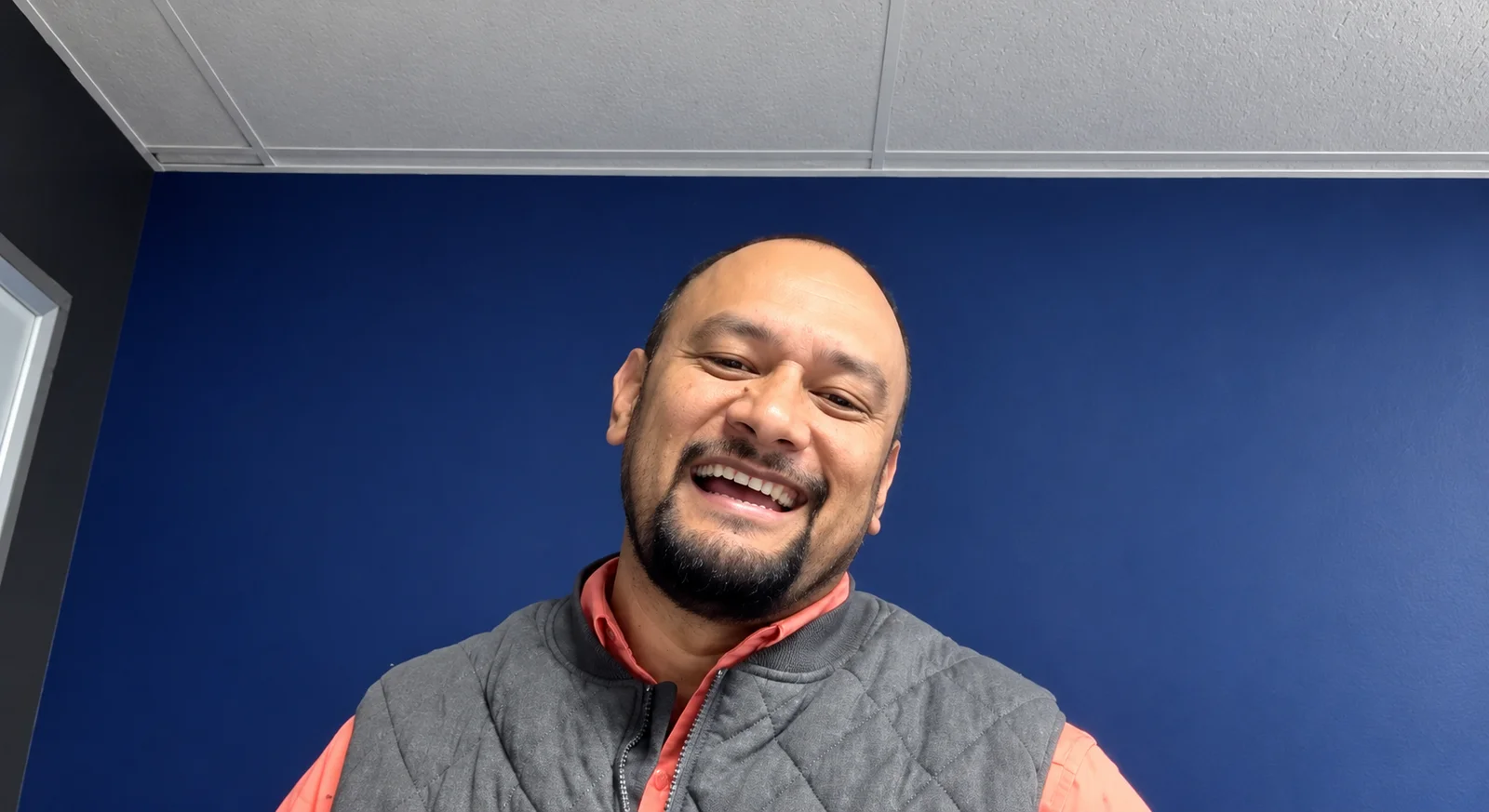
This high-ticket sales follow-up account describes a coaching prospect who left the call without paying and later enrolled, according to Rob. The lesson is to clarify the offer, understand how the buyer will decide, and agree on a helpful next step. The account does not establish which follow-up message caused the sale.
The prospect was interested, but he wasn’t ready to pay during our call. He needed time to think and arrange funds. I stayed in touch, and he later enrolled.
Identifying details have been omitted or generalized to protect the client’s privacy. This is a retrospective account supplied by Rob.
KEY TAKEAWAYS
- Interest in an offer does not settle every question about fit or timing.
- Explain what the buyer receives and what they must do.
- Ask how the buyer will decide before discussing payment.
- Separate the reported sale from claims about what caused it.
1. Describe the Scenario and Outcome
The call ended without a payment.
It also ended without a firm no.
We had talked about his goals, the coaching program, and the cost. He could see reasons to move forward. But he still had a decision to make and some practical steps to complete.
I had a choice in how to handle that gap.
I could treat the delay as something to push through. Or I could stay connected while he worked through the decision.
He took time to think and arrange the funds. I stayed in touch. He later joined the program on a payment plan.
A Warm Lead With Real Questions
At the time, I was selling a high-ticket coaching program.
The owner’s personal brand was our main source of leads. People discovered his work, consumed his content, and booked a conversation. This lead was then assigned to me.
The prospect already knew about the owner and his approach. That made this a warm lead.
But interest in the owner did not mean the prospect fully understood the offer.
He still needed to know what he would receive, how the support worked, and whether the program fit his needs.
Understanding What He Wanted
The prospect wanted help turning his experience into a clearer coaching business.
He had skills and ideas. He also had doubts about how to bring those pieces together.
We discussed who he might serve, what he wanted to build, and why it mattered to him.
I wanted to understand more than an income goal. I asked about the life he hoped the business would support.
That gave us a fuller conversation about his reasons for seeking help.
Moving From Goals to Details
We found common ground, and the conversation felt natural.
As we moved into the program, he asked practical questions.
Who would work with him?
What would the team help him do?
What would happen first?
What would he need to complete himself?
I explained the team’s roles and the broad path: shape an offer, test it, and build on what worked.
Then we discussed the investment and payment options.
He was interested. But he needed time to consider the choice and arrange payment.
The Sale Happened After the Call
The recording ends before a completed purchase.
The outcome came later.
I stayed in contact while he thought through the decision and moved funds. He then enrolled using a payment plan.
I cannot point to one follow-up message and say it caused the sale. What I can say is that I remained available while he completed the process.
2. What Do You Think You Did Well?
Building rapport went well.
We found things in common, which helped the call feel like a real conversation. He spoke openly about his goals, experience, and concerns.
I also stayed in touch afterward.
He needed time to think and arrange payment. I didn’t disappear because the call ended without a sale.
The owner’s brand had already done important work before we spoke. My role was to build on that trust, explain the offer, and help him work through his questions.
3. What Could You Improve?
I don’t remember this call clearly enough to give a fair answer from memory.
Rapport and follow-up stand out as strengths. For the other lessons, I’m relying on a review of the transcript.
I don’t want to invent a personal reflection just because I know how the sale ended.
The prospect joined. That was a successful sales outcome. It does not mean every part of the conversation was handled well.
4. What Will You Do Next Time?
For this entry, the Closers Weekly review provides the next steps to practice.
The main opportunities are to make the offer clearer, learn how the buyer will decide, and be careful about promises.
Those steps can help someone make a sound choice, even when the answer is no.
CWA: Closers Weekly Analysis
Source note: Rob supplied this account, reflection, and analysis and confirms the later enrollment. The transcript, recording, follow-up messages, and later business results were not independently reviewed for this publication. Editorial preparation: Codex, AI editorial assistant.
What the evidence shows: a conversation with depth
The prospect shared what he wanted to build and where he felt unsure.
Rob found common ground and explored the reasons behind his goals. That helped move the call beyond a simple pitch.
Still, some trust existed before the conversation. The owner’s brand had brought the prospect in.
The lesson: Know what the buyer already understands and trusts. Use the call to uncover what remains unclear.
What Could Improve: Make the Offer Easier to Understand
The prospect asked several questions about the support and how the program worked.
Those questions called for clear details.
Broad language about progress and teamwork can express belief. But buyers also need to picture the work.
A stronger explanation would cover:
- What happens first.
- Who provides each type of help.
- How meetings and support work.
- What the client must do.
- What the price includes.
Example language to test, not a quotation from the call:
“Let me walk you through the first steps, who helps you, and what you’ll be responsible for. Then we can cover anything that is still unclear.”
The lesson: Make the work as clear as the goal. Our guide to high-ticket sales explains the selling environment and buyer concerns behind this kind of offer.
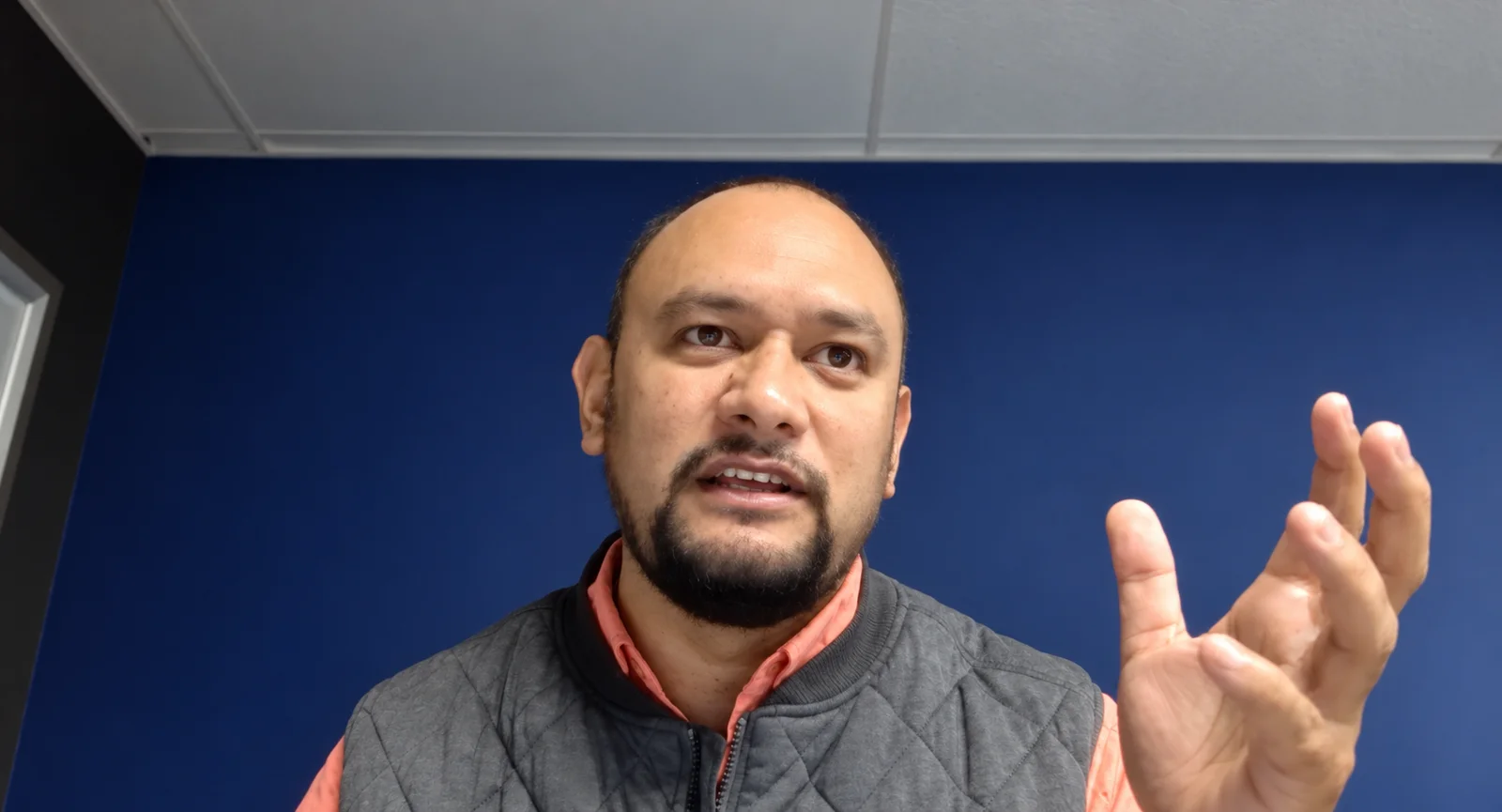
What Could Improve: Understand the Decision Process Earlier
The prospect’s interest was clear. His readiness to buy still needed more discussion.
A buyer may like an offer while needing to review the cost, discuss it with someone else, or arrange payment.
Ask about that process before focusing on payment details. The following questions are example language, not quotations from the call.
“What would you need to work through before making a decision?”
Then:
“Is anyone else involved, and what questions would they need answered?”
These questions help both people understand the next step.
The lesson: Interest, financial fit, and readiness are separate things. Check each one. Use our examples of closing questions to practice questions that surface the next decision. Our objection-handling framework offers a way to clarify concerns before answering them.
What Could Improve: Use More Careful Claims
Rob’s supplied analysis flags concern about statements that sounded too certain about future results. Without the transcript, we cannot assess the exact wording. The practical point to test is how clearly the seller separates the support offered from the results a buyer might achieve.
A team can commit to the services and support in its agreement. It cannot promise that every client will reach a certain income.
Example language to test, not a quotation from the call:
“Here is the support we provide. Your results will also depend on your work, your offer, and the market. Let’s look at whether the program fits your needs.”
The FTC’s guidance on coaching offers warns buyers about income guarantees and advises taking time to evaluate an offer. This is general context, not a finding about the unnamed program in this account.
Past customer results also need context. They may show what happened for those customers, but they do not establish what another person should expect.
The lesson: Be confident about the work you can deliver. Be honest about the outcomes you cannot control.
What Worked: The Conversation Continued
Rob confirms that he stayed in touch and the prospect later enrolled.
Rob’s account does not establish which follow-up actions helped most. He reports that the buyer’s delay included both thought and practical steps.
That matters.
A request for time is not always a hidden no. It is also not a promise to buy.
The useful response is to clarify what remains and agree on a next step. Here is example language to test, not a quotation from the call.
“What do you still need to sort out, and when would it help for us to reconnect?”
The lesson: Follow-up should create clarity without forcing a rushed decision. Our sales-call follow-up email templates help turn the conversation into a clear recap and agreed next step.
The next thing to test in high-ticket sales follow-up
Before discussing payment, ask how the buyer plans to decide.
Find out what questions remain, who is involved, and what timing makes sense.
Then agree on when to reconnect.
In this case, the prospect needed time and later chose to enroll. The broader lesson is to give buyers clear information, respect their decision process, and remain helpful after the call ends.
For more on helping a buyer reach a decision, explore The Close.
Frequently asked questions
Did this prospect buy during the sales call?
No. Rob reports that the call ended without payment. He says the prospect later enrolled on a payment plan after taking time to think and arrange funds.
Does a delayed decision mean the buyer is saying no?
A delay alone does not tell you the answer. Ask what questions remain and whether the buyer wants to agree on a next conversation.
What should you clarify before asking for payment?
Ask what the buyer needs to decide, who else is involved, and what timing makes sense. Explain the support, the price, and the work the buyer would be responsible for.
Can this story prove that follow-up caused the sale?
No. Rob reports staying in touch and a later enrollment. The follow-up messages were not independently reviewed, so the story does not establish which action caused the outcome.
Are the suggested scripts quotes from the actual call?
No. The talk tracks in the analysis are examples to test. They are not presented as verified quotations from the call.
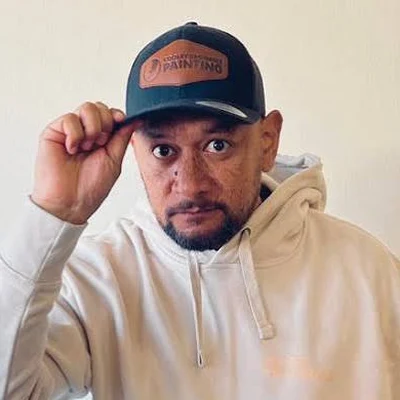
Rob P. writes about the concepts that help people sell better, close faster and provide for the people who count on them. This entry is based on Rob’s supplied account; source limits are stated in the analysis. Read our editorial standards.